The most expensive mistake a waterfront buyer makes on Nantucket isn't overpaying. It's falling for a view before checking what the water is actually doing to the land underneath it. A harbor-front lot in town, a pond-front property near Miacomet or Sesachacha, and a bluff-front home in 'Sconset all carry the word "waterfront," and all three come with entirely different flood, construction, and access realities. Buying well here starts with knowing which kind of waterfront you're actually looking at.
What to Know Before You Look
- Nantucket's waterfront isn't one category: harbor frontage, great-pond frontage, and ocean/bluff frontage each carry different flood, construction, and erosion considerations.
- Flood insurance is often required, not optional, and the Nantucket average runs well above the national number.
- The Nantucket Conservation Commission, not just the Historic District Commission, has real authority over what you can build near almost any waterfront resource area, generally a 75-foot setback, and that distance can grow further on an eroding shoreline.
- Homes built or substantially improved after 1978 generally cannot be protected by a new seawall if the shoreline later erodes toward them, a real risk on bluff and bank-front lots.
- A dock or mooring is not guaranteed with a waterfront purchase; town moorings are permitted and finite.
- The right question isn't "is this waterfront." It's "what kind, and what does that kind actually mean to live with."
Not all Nantucket waterfront is the same waterfront
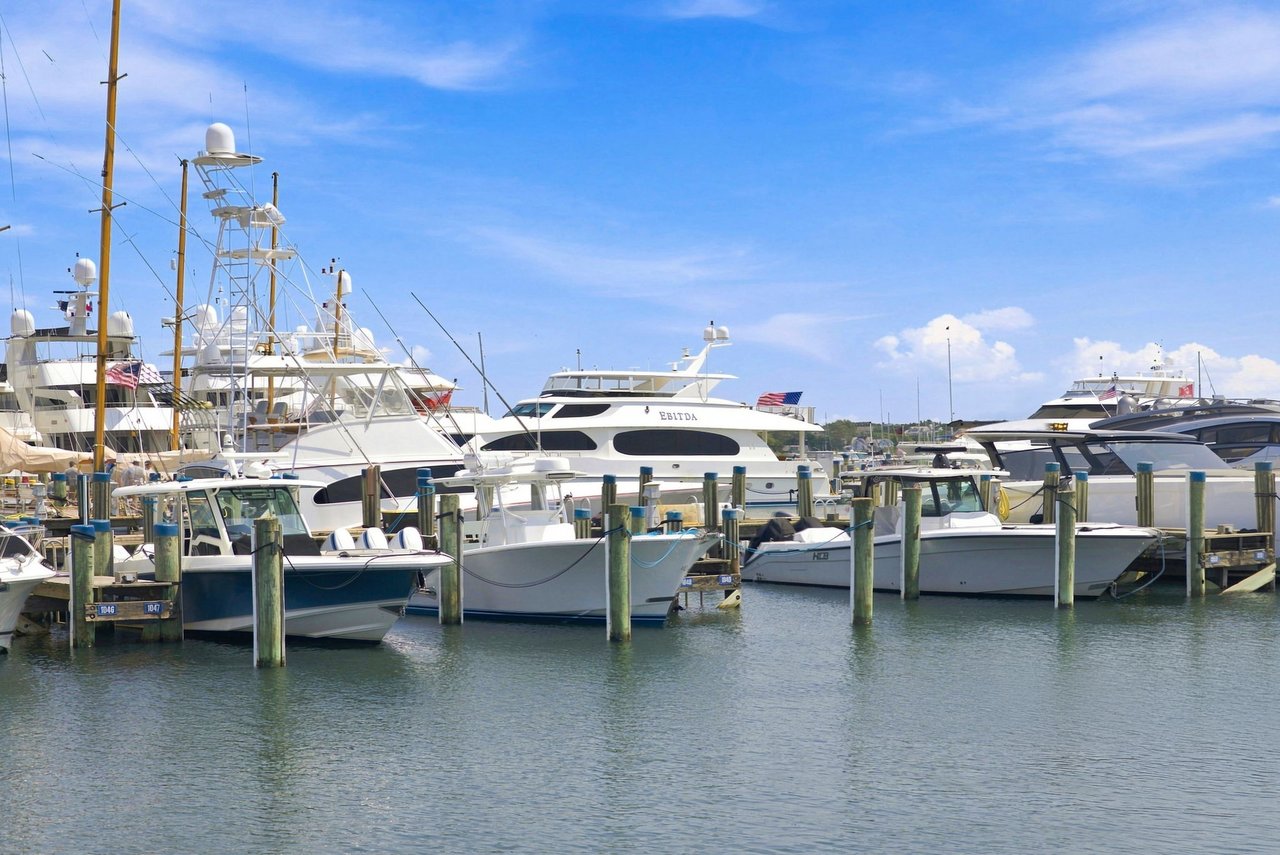
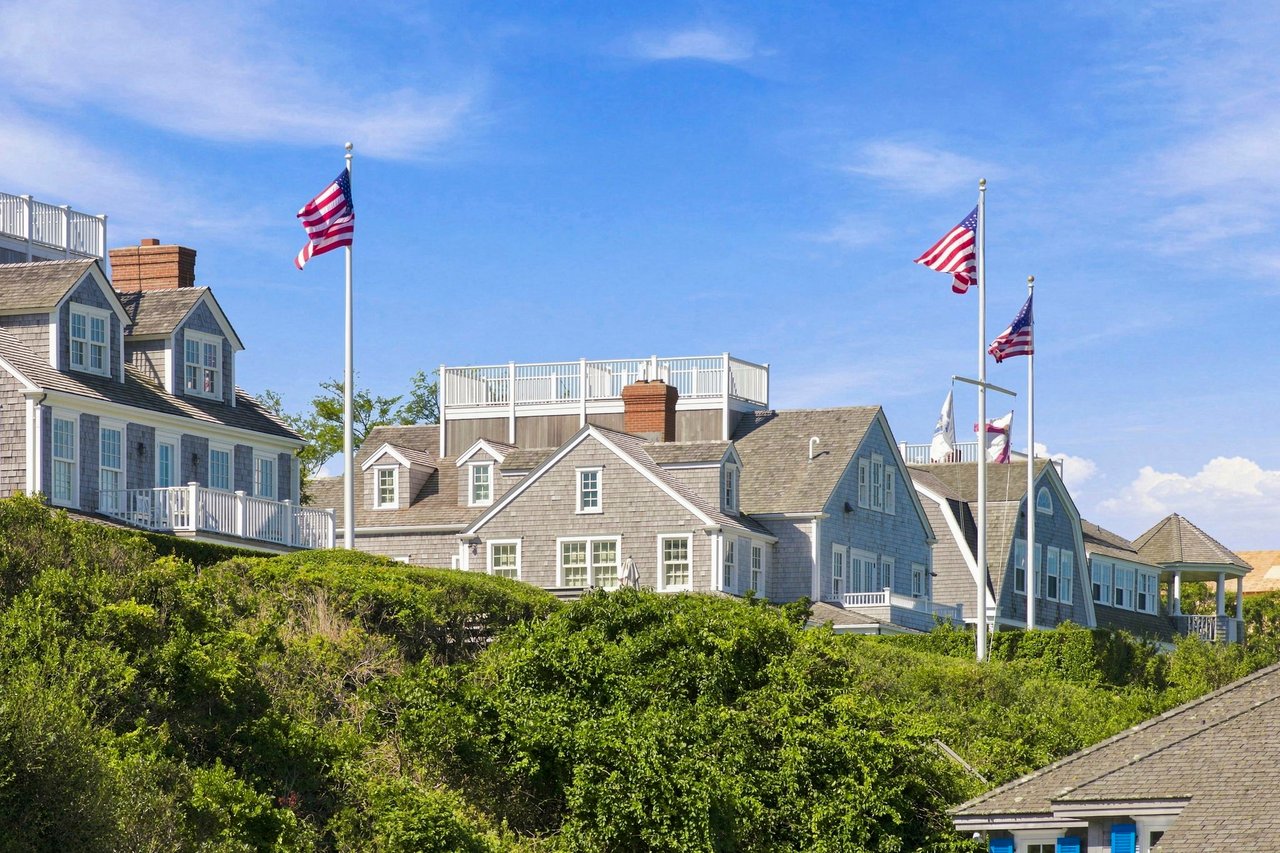
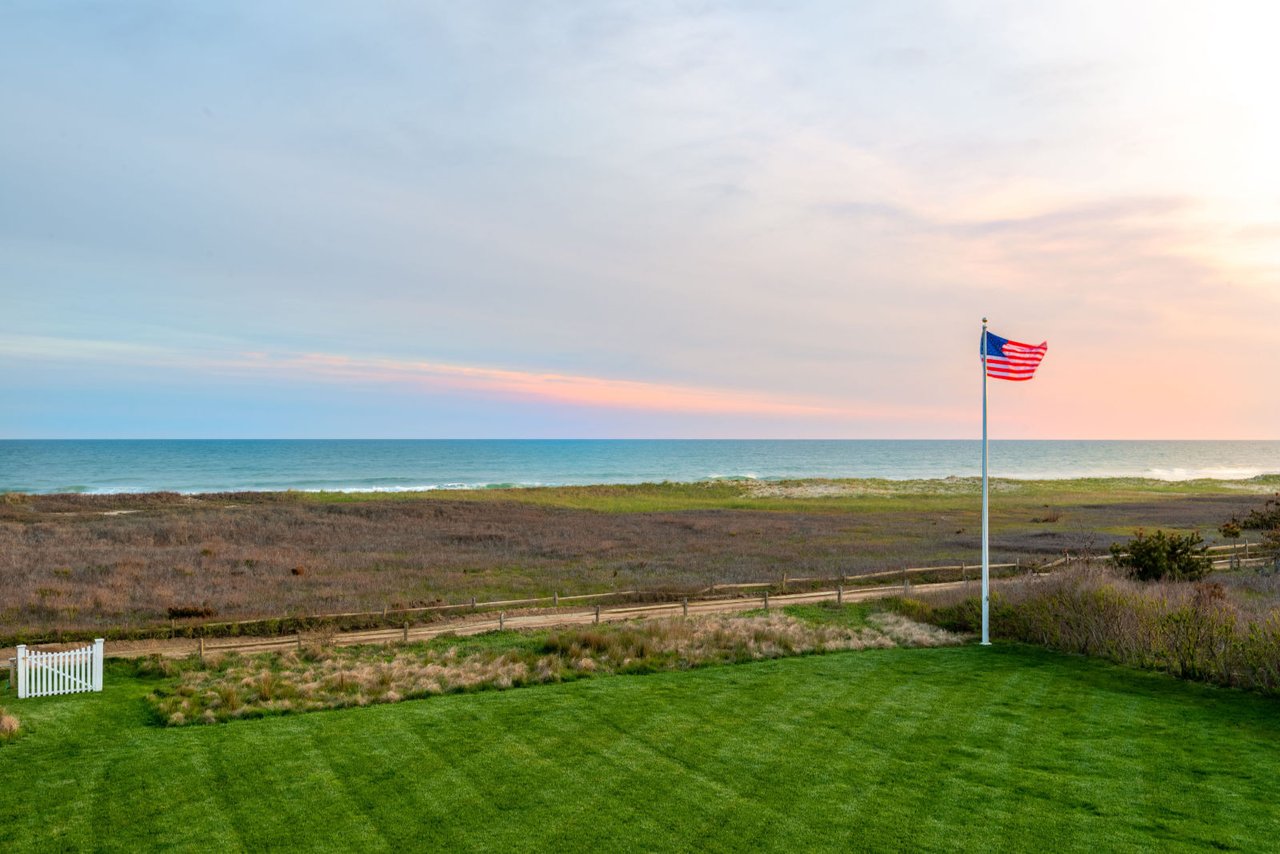
The word "waterfront" covers three genuinely different property types here, and buyers who treat them as interchangeable often end up surprised later. Harbor-front property, concentrated around Nantucket Harbor and the town-adjacent moorings, tends to offer calmer water, easier boat access, and a more built-up, walkable setting. Great-pond frontage, around bodies like Long Pond, Miacomet Pond, and Sesachacha Pond, tends to be quieter and often more affordable, with its own separate wetlands review process, which can differ meaningfully from the coastal rules and is worth understanding before you assume it works the same way. Ocean and bluff-front property, concentrated in areas like 'Sconset's eastern bluff, offers the most dramatic views and carries the most real erosion exposure; Nantucket's own coastal engineering disputes over the past several years, including a well-documented, court-ordered removal of a bank stabilization project on the eastern shore, are a useful reminder that shoreline erosion here isn't theoretical. Knowing which of the three you're evaluating changes almost every other question on this page. If you're still narrowing down which type fits you, our guide to where different kinds of buyers end up on Nantucket breaks harbor, pond, and ocean-adjacent neighborhoods down by what actually suits different buyers, not just geography.
Flood insurance is a real cost, not a formality
FEMA classifies flood risk by zone letter, and the distinction matters financially as well as practically. Zones beginning with A or V are high-risk, and mortgage lenders are generally required to mandate flood insurance for federally backed loans on properties in those zones; zones beginning with B, C, or X carry moderate to low risk and don't usually require it, though buyers can still choose coverage. One industry estimate puts Nantucket's average flood insurance premium at roughly $1,781 a year for about $340,000 in coverage, well above typical inland Massachusetts rates, which reflects the island's genuine coastal exposure rather than an isolated fluke. Coverage through the National Flood Insurance Program carries a 30-day waiting period before it takes effect, so this is worth sorting out early in a purchase, not after closing.
A general estimate is a starting point, not a substitute for a real quote on the actual property you're considering. Bernadette regularly refers waterfront buyers to Charlie Kilvert, President of Nantucket Insurance, for an honest read on what a specific property will actually cost to insure before you're too far into a deal to walk away easily.
The Conservation Commission has real authority here, separate from the Historic District Commission
Buyers already know Nantucket homes go through Historic District Commission (HDC) review for anything visible from a public way. What surprises many waterfront buyers is that a second, separate board, the Nantucket Conservation Commission, has independent authority over construction near wetlands, coastal banks, salt marshes, ponds, and beaches, enforcing both the Massachusetts Wetlands Protection Act and the town's own Wetlands Bylaw.
The core rule: a 75-foot setback near almost any water
The Commission's central rule is broader than most buyers expect. For a non-water-dependent structure, which in practice means essentially any home, pool, or addition rather than a dock or pier, the general standard across nearly every protected resource area on the island, coastal beaches, coastal banks and dunes, salt marshes and salt ponds, and inland ponds and vegetated wetlands alike, is a minimum 75-foot setback. A 25-foot buffer immediately next to the resource must stay undisturbed, and no more than half of the area between that buffer and the 50-foot line can be disturbed at all. There is a conditional path to building closer, down to the 50-foot line, if the undisturbed buffer is enhanced elsewhere on the lot by one and a half times the structure's footprint in that zone, and a constructed bioswale can count toward that requirement if it connects to the existing buffer. Homes already standing when this standard took effect are grandfathered and only need to comply if they're later expanded. In practice, this one number, the 75-foot setback, is often the single biggest factor in what's actually buildable on a harbor, pond, or ocean-facing lot, regardless of which of the three you're considering.
Erosion changes the math, and can rule out a seawall entirely
On an eroding coastal beach or bank, that baseline can grow further. The Commission requires an additional setback equal to twenty times the property's average annual erosion rate, capped at 100 feet, calculated from the site's own erosion history. There is also a second, often more consequential restriction tied to erosion: for a structure built or substantially improved after August 1978, the Commission generally will not permit a new seawall, bulkhead, or similar hard structure to protect it if the shoreline later erodes toward it, outside of narrow exceptions. That is the mechanism behind the well-documented dispute over bank stabilization on 'Sconset's eastern bluff mentioned earlier: once a home is built close to an eroding bank, there may be no permitted way to armor the shoreline in front of it later. For a bluff or bank-front purchase, that is worth understanding before you buy, not after a storm.
A stricter overlay on some lots: rare and significant species habitat
Some waterfront and pond-front lots also carry a stricter, separate designation: verified rare or significant species habitat. Where this applies, vegetation clearing is generally barred within 25 to 50 feet of the habitat and new construction within 50 to 75 feet, with the larger distances applying inland and the smaller ones along the coast, and septic components face their own exclusions, generally 50 feet for the system and 100 feet for the leaching facility. Whether a specific parcel carries this designation is worth confirming directly with the Conservation Commission before you get attached to a building plan.
Great Ponds follow a simpler set of rules
Nantucket's larger freshwater ponds, those that measured at least 10 acres in their natural state and are legally classified as Great Ponds, are treated a little differently: rather than the standard setback system above, the 200 feet of land around a Great Pond has its own dedicated review path, generally requiring only a minor activity filing. Smaller or coastal-adjacent ponds typically fall under the standard 75-foot system described above. Which category a specific pond-front lot falls into is worth confirming directly, since it changes the permitting path meaningfully.
The upside: a permitted view corridor, and a lighter path for small projects
There is some good news buried in the regulations too. Every residential structure is allowed one permitted viewshed corridor, a defined sightline cut through vegetation toward the water, rather than a blanket ban on clearing any view at all, though a Commission permit is required before any new cutting, and the work can't be done between April 1 and September 30, to protect nesting birds. The corridor can't drop more than 15 feet from top to bottom, and it's sized narrower near the house, 20 feet wide, and wider at the water end, 25 feet. A number of modest landscaping projects, unpaved footpaths, native plantings, and removing a hazardous dead tree among them, also qualify for a faster minor-activity review rather than a full filing, provided they sit outside the 50-foot setback.
Septic placement and the town's broader climate-risk view
Septic placement deserves its own mention on any waterfront lot: leach facilities generally need to sit at least 100 feet from the water body, coastal bank, or high tide line, which can meaningfully limit where a system fits on a smaller lot. It's worth connecting this back to the flood zone discussion earlier, too. The Commission's own review draws on the town's Coastal Resilience Plan, NOAA sea-level data, and the same FEMA floodplain information that shapes your insurance requirements, and building in the areas the town classifies as extreme or high coastal risk, broadly, the areas likely to be affected within the next decade or within a typical mortgage's 30-year life, is actively discouraged regardless of what a strict setback calculation alone would allow.
The bottom line before you build
For a waterfront lot, all of this can meaningfully affect a project's timeline and feasibility, independent of anything the HDC has to say about how the house looks, and it applies whether you're renovating an existing home or considering a teardown and new construction on the lot. For the general HDC review process that applies to every Nantucket home, our guide to buying a luxury home covers that in more depth; this is specifically the layer that applies because you're near the water. These figures reflect the Commission's regulations as of January 2025, and coastal rules here do get revisited, so it's worth confirming current requirements directly with the Commission before finalizing any building plan.
A water view doesn't come with guaranteed water access
It's a common assumption that a waterfront home comes with a private dock or an easy place to keep a boat. On Nantucket, that's often not automatic. The Town's Harbormaster administers permitting for more than 1,800 moorings across Nantucket, Polpis, and Madaket Harbors, and oversees the Annual Town Pier Slip Lottery for the limited dock slips in town. Mooring and slip access is managed by the town, not deeded automatically to a waterfront parcel, so a buyer who wants to keep a boat should ask directly what access the specific property carries, rather than assuming a water view implies a place to tie up.
Buying waterfront well means asking the right questions before you fall for the view
After many years of representing waterfront buyers on this island, Bernadette sees the same pattern more than any other: enthusiasm outrunning due diligence. The fix isn't complicated: know which of the three waterfront types you're looking at, get a real flood insurance quote before you're deep into a deal, ask early whether the Conservation Commission's setback rules, and its restrictions on rebuilding a seawall, affect what you can build or protect, and confirm directly what water access, if any, actually comes with the property. None of this is meant to discourage a waterfront purchase; it's meant to make sure the property you fall in love with is one you can actually build, insure, and enjoy the way you're picturing.
The considerations don't end at closing, either. Our guide to owning waterfront property covers what actually changes once the house is yours, from salt-air maintenance to erosion monitoring to what a mooring permit requires every year.
Buying waterfront property on Nantucket
Questions about buying waterfront property on Nantucket, answered
What should I look for when buying waterfront property on Nantucket?
Start by identifying which type of waterfront you're considering: harbor, great pond, or ocean/bluff frontage, since each carries different flood, construction, and erosion realities. From there, check the property's flood zone designation, ask whether Conservation Commission wetlands setbacks affect future building or renovation plans, and confirm directly what mooring or dock access, if any, comes with the property.
Is Nantucket waterfront real estate a good choice for a second home?
Waterfront property here holds genuine, durable appeal for second-home buyers, but it comes with real carrying costs, including higher flood insurance and additional regulatory review near wetlands, that inland Nantucket homes don't face. Buyers who go in aware of those costs, and who choose the waterfront type that matches how they actually plan to use the property, tend to be the happiest owners.
Do Nantucket waterfront homes require flood insurance?
Often, yes. Properties in FEMA's high-risk A or V flood zones typically require flood insurance if the purchase involves a federally backed mortgage, and even outside those zones, many owners choose coverage given the island's coastal exposure. One industry estimate places Nantucket's average premium around $1,781 a year for roughly $340,000 in coverage, notably higher than typical inland Massachusetts rates. Bernadette regularly refers waterfront buyers to Charlie Kilvert, President of Nantucket Insurance, for a specific quote before they're deep into a purchase.
What building restrictions apply to waterfront property on Nantucket?
Waterfront lots fall under the Nantucket Conservation Commission's jurisdiction in addition to standard Historic District Commission review. The Commission's general standard for a home, pool, or addition is a 75-foot setback from nearly any protected resource area on the island, harbor, pond, or ocean alike, with a 25-foot undisturbed buffer and a conditional path to build as close as 50 feet by enhancing that buffer elsewhere on the lot. On an eroding shoreline, that setback can grow further, up to 100 feet based on the site's own erosion history. Some lots also carry a stricter "verified rare or significant species habitat" designation, where vegetation clearing and construction are barred even closer in, and septic components face their own 50-to-100-foot exclusions. On the positive side, every residential structure is allowed one defined, permitted viewshed corridor toward the water, so clearing a sightline isn't prohibited outright.
Can I get a mooring or dock access with a Nantucket waterfront home?
Not automatically. The Town of Nantucket's Harbormaster administers permitting for more than 1,800 moorings across the island's harbors and manages a separate lottery for the limited town pier slips. Mooring and slip access is allocated by the town rather than deeded to a specific property, so buyers who want to keep a boat should confirm directly what access, if any, comes with a given waterfront home.
Is Nantucket harbor-front, pond-front, or ocean-front property different to own?
Yes, meaningfully. Harbor-front property tends to offer calmer water and easier boat access in a more built-up setting. Great-pond frontage is often quieter and more affordable, and Nantucket's larger freshwater ponds actually follow a simpler, separate review path than the coast rather than a stricter one. Ocean and bluff-front property offers the most dramatic views but carries the greatest erosion exposure, and Nantucket has seen real, well-documented coastal erosion disputes on its eastern shore in recent years.
How close to the water can you build on Nantucket?
For non-water-dependent structures, meaning homes, pools, and additions, the general standard is a minimum of 75 feet from nearly any protected resource area, coastal beaches, banks, dunes, salt marshes and ponds, and inland ponds and wetlands alike, with a 25-foot undisturbed buffer directly adjacent and no more than half of the area between that buffer and the 50-foot line allowed to be disturbed. Building closer, down to the 50-foot mark, is possible under a conditional exception that requires enhancing the undisturbed buffer elsewhere on the property by one and a half times the structure's footprint in that zone. On an eroding coastal beach or bank, an additional setback of up to 100 feet, based on the site's historic erosion rate, can apply on top of the standard distance. Existing homes built before this standard took effect are grandfathered and only need to comply if later expanded. These figures reflect Conservation Commission regulations as of January 2025 and are worth confirming directly, since coastal rules here are periodically revisited.
Can you build a seawall to protect a Nantucket waterfront home from erosion?
Often, no. For a structure built or substantially improved after August 1978, the Conservation Commission generally will not permit a new seawall, bulkhead, or similar hard structure to protect it from later shoreline erosion, except in narrow circumstances following a documented alternatives analysis. This is the restriction behind Nantucket's well-documented coastal engineering disputes on the eastern bluff, and it means a home built close to an eroding coastal bank may have no permitted way to be armored later if the shoreline moves toward it. It is one of the most important things to understand before buying a bluff or bank-front property, not after a storm. Confirm current rules directly with the Conservation Commission, as these regulations (current as of January 2025) are subject to revision.
Expert Perspective
Considering a Waterfront Purchase on Nantucket?
Waterfront property here rewards buyers who ask the right questions early, about flood zones, conservation setbacks, and water access, before falling for the view. Bernadette can help you evaluate a specific waterfront property with those realities in mind.