Nantucket's Brant Point neighborhood was made for summer. That may sound like hyperbole, but this area of the island was developed with only one goal in mind: how to best enjoy a long, languid summer day.
In the 1880s, the harbor was empty of the tall masts of wooden whaleships that had once made the island famous the world over. Nantucket was just waking up from a long slumber after decades of quiet after the end of the whaling industry. City dwellers longed to escape the heat and noise of the age of mass production. The slower pace of life offered on Nantucket was as rarified as the sea air.
Originally a beach that marked the entrance to Nantucket's harbor, development started on Brant Point in the early 1880s. One of the first grand waterfront homes constructed in Brant Point was Edwin Hulbert's mansion at 73 Hulbert Ave, "Sandanwede," built in 1881. The house still stands today, a stunning example of Queen Anne-style resort architecture.
Down closer to Brant Point Lighthouse, construction was underway for an impressive seaside hotel, called The Nantucket. This sprawling Victorian hotel was only in existence from 1883 to 1906, but made a splash during its short life. The elegant hotel boasted, in an advertisement: "Magnificent view of the ocean for miles. All vessels, yachts, and boats for Nantucket pass the hotel." After a long day of sea bathing, yachting, and strolling the island's historic streets, guests were delighted to simply rest on the grand piazza and "watch the pass."
Throughout the end of the 19th century and into the 20th century, Brant Point saw an increase in cottages built expressly for long summer days. The building boom continued along Willard and Walsh Streets, between Hulbert Ave and North Beach Street, as cottages and bungalows began to sprout up. Isabella Orr, a music teacher from Boston who was a bit of a local character, acquired land in what was then called "Beachside" on Brant Point. Orr owned about eight acres of land between Walsh and North Beach Streets. She subdivided this land into 48 house lots and had four new streets, including East Lincoln Street, surveyed and planned out.
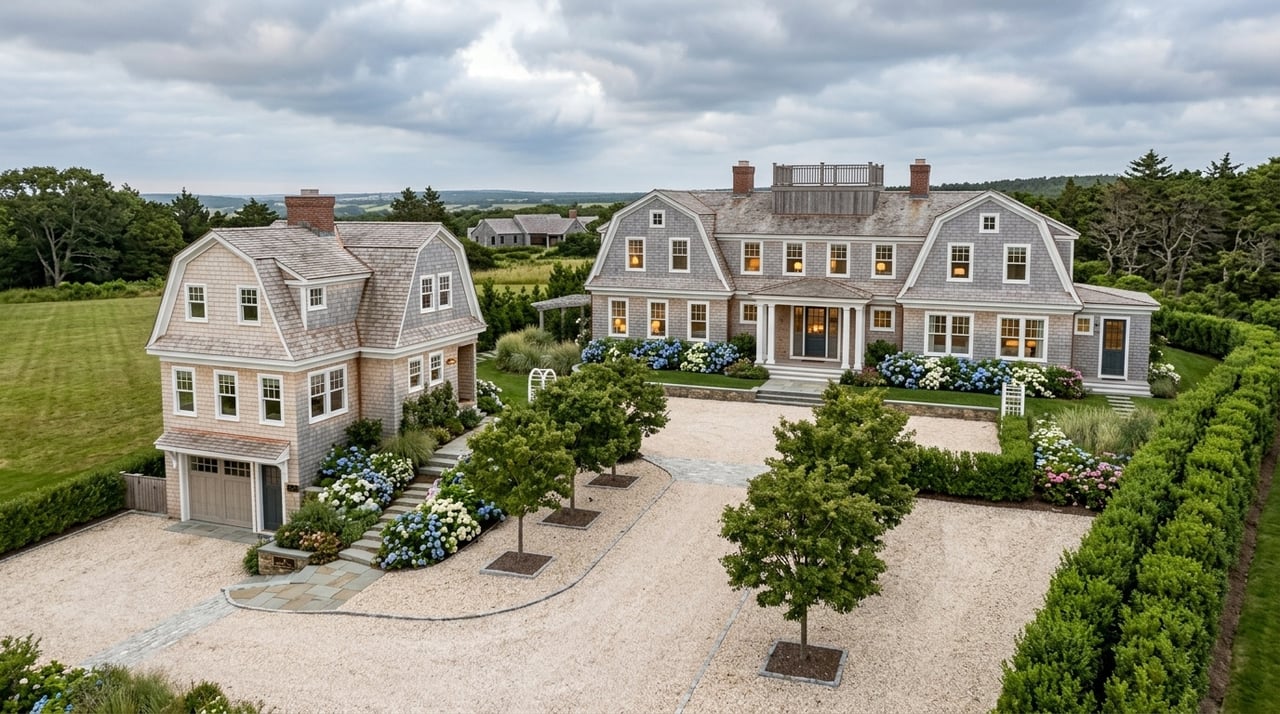
Nantucketers Elmore and Marion Swain purchased some of Orr's land to construct handsome summer cottages in the Colonial Revival style. Elmore, a contractor, designed and built the house at 1 East Lincoln Ave in 1926. Originally called "Red Shutters," this was one of three cottages Elmore built on East Lincoln. This house is part of Nantucket's history of summer, updated for modern living.
East Lincoln Ave has a diverse collection of Nantucket architecture. Other examples of Colonial Revival architecture include 11 and 13 East Lincoln Ave. This street is also home to a pair of Victorian Eclectic cottages built in the 1880s that Isabella Orr rented out, 17 and 20 East Lincoln Ave.
Over the years, Brant Point has attracted people from all walks of life, from captains of industry to bohemian artists. Brant Point remains an enduring seaside enclave for so many of the reasons that attracted the first cottagers to this safe harbor. The close proximity to both the relaxing beaches of the North Shore and the amenities of town means you can enjoy all Nantucket has to offer without having to make any concessions.
What is the best beach near Brant Point?
The Brant Point neighborhood is a beach lover's paradise. In addition to the popular large beaches like Children's and Jetties Beach, there are a handful of public beach access points along Hulbert Ave that allow you to have your toes in the sand, or in the water, in just minutes.
These public access points, marked with granite posts and often lined with rosa rugosa and honeysuckles, may look like secret paths, but they are yours to slip down. Along the beaches of the North Shore, you have a front-row seat to some of Nantucket's favorite summer traditions: the Figawi sailboat race on Memorial Day Weekend, the fireworks on the Fourth of July, the Boston Pops concert to benefit the Nantucket Cottage Hospital, and the Opera House Cup wooden sailboat race, both in early August.
It is an easy walk to Jetties Beach, where public tennis courts are available for use in season. Community Sailing's home base is right near the West Jetty. Jetties Beach is also home to The Sandbar, Nantucket's favorite toes-in-the-sand beach bar. A lifeguarded beach with calm water, Jetties is a great option for families. If Jetties is too crowded, walk along the beach westward and enjoy the Land Bank's newly expanded beach at the end of Lincoln Ave, right next to the famed Cliffside Beach Club and Galley Beach restaurant.
Children's Beach is a go-to for families with younger children. This beach is lifeguard-protected and has a roped-off swimming area. A great playground, café, and tree-lined park provide lots of places to play.
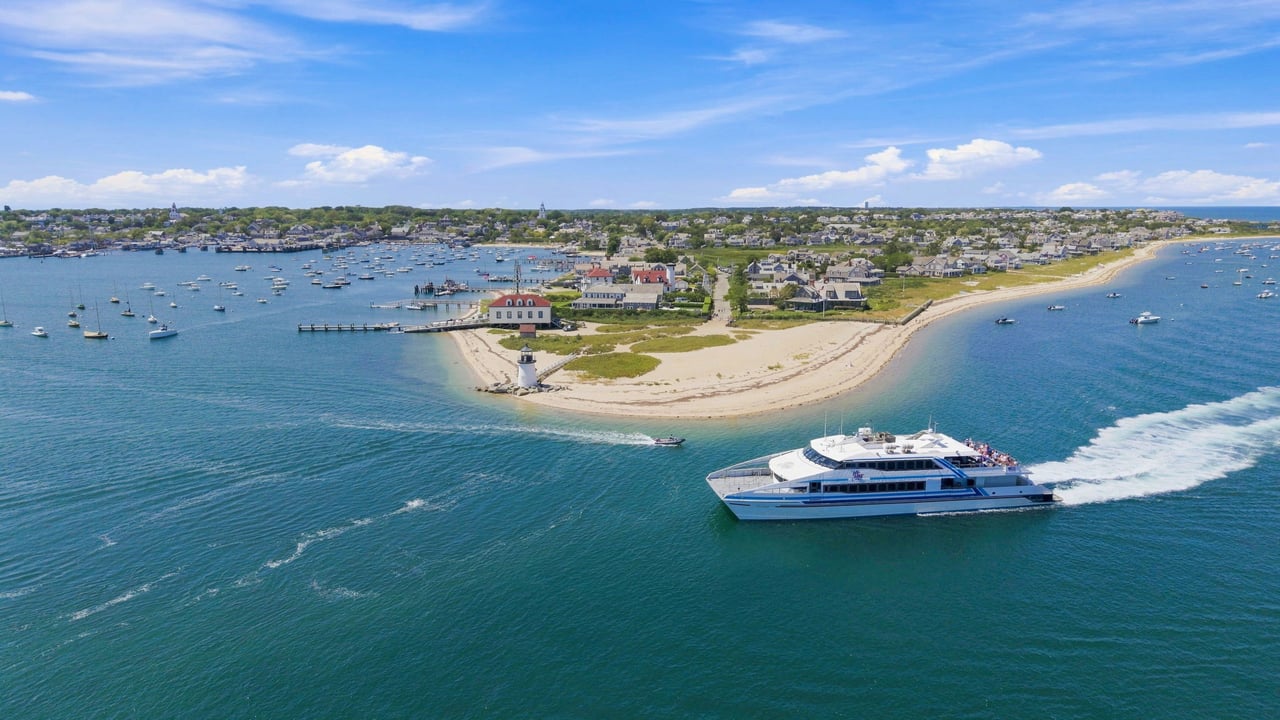
You can swim at the beach near Brant Point Lighthouse at the end of Easton Street, but be careful, there is a strong current! It's this current that makes Brant Point a popular spot among fishermen. This is a great spot to watch the ferry boats go by.
Do I need a car in Brant Point?
Brant Point is perfectly situated between the peaceful beaches of the North Shore and downtown. You will find yourself leaving your keys behind and opting to walk or ride your bike. This area of the island is so rich in history, architectural details, and natural beauty that it is best appreciated at a walking pace. The scent of beach roses and salt spray perfumes the neighborhood.
Brant Point is close enough to town so you can walk to dinner and experience Nantucket's world-class restaurants. But East Lincoln Ave is a quiet street without much traffic to disrupt the sounds of summer. Instead of the noise of cars driving by, you are more likely to hear the gentle sound of the foghorn in the morning, when the island awakens blanketed in a fog that will burn off by lunchtime. In the evenings, the ferry's last whistle as it rounds Brant Point Light is the same steam whistle islanders have heard for decades.
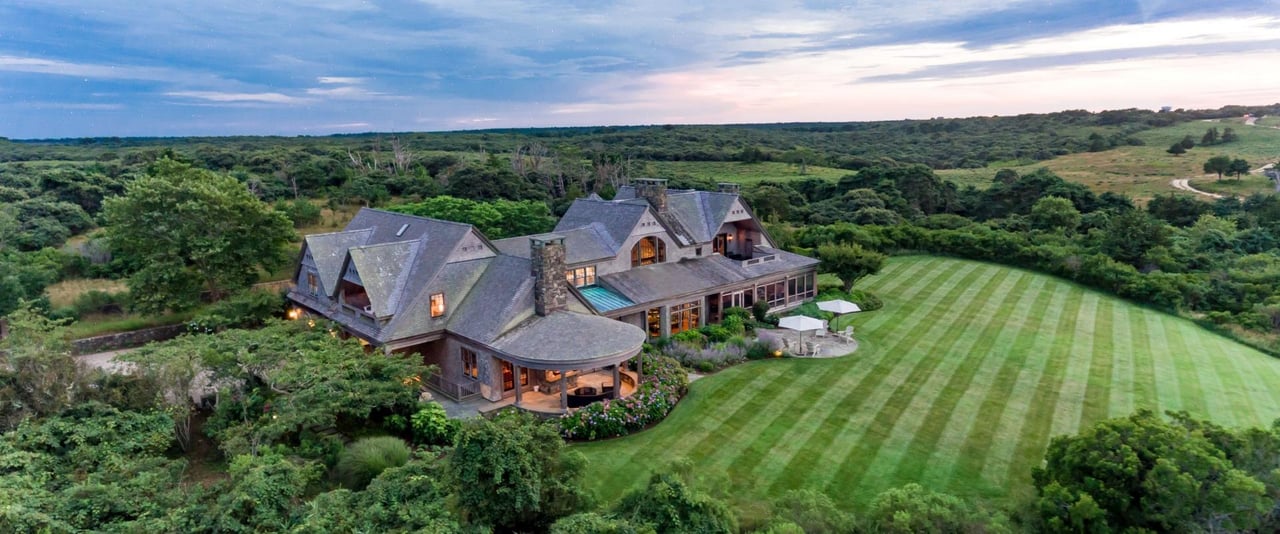
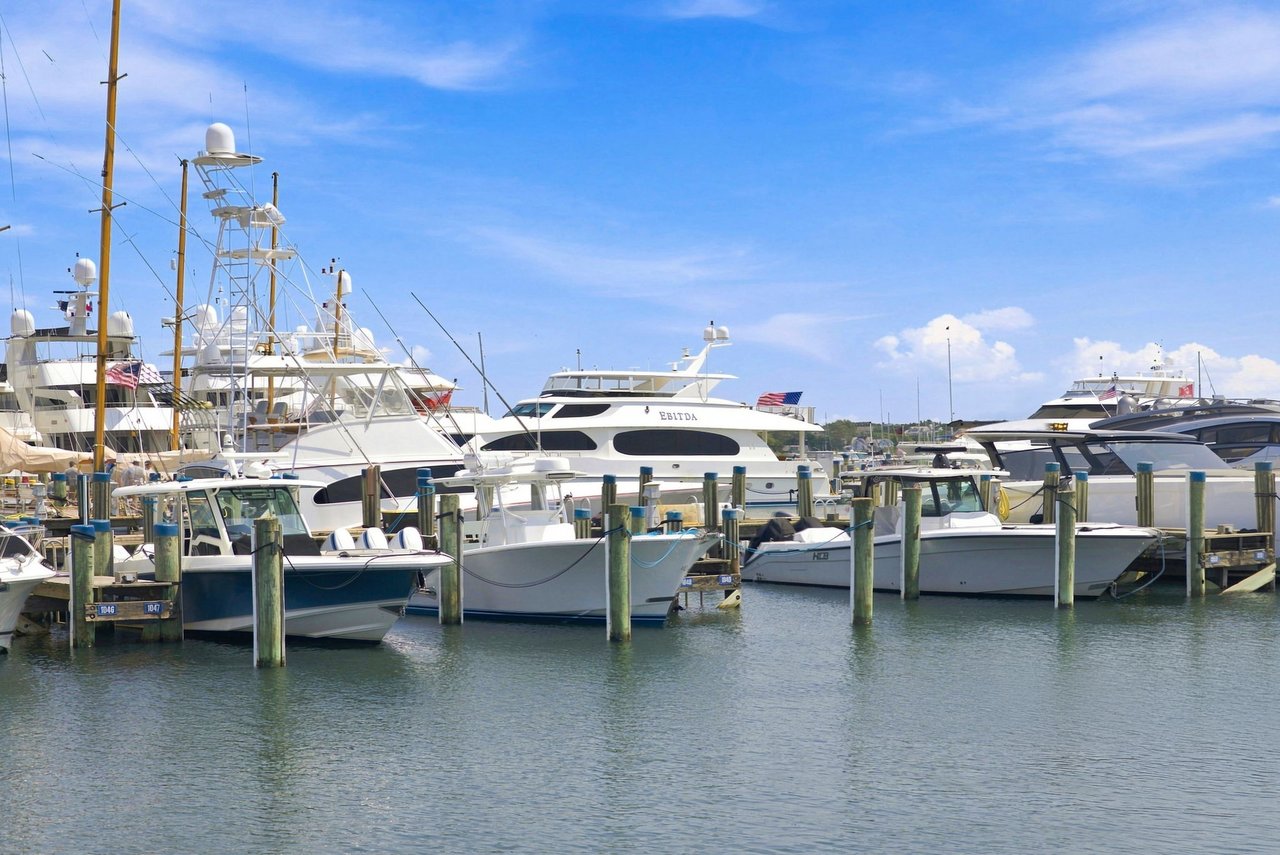
In the Brant Point neighborhood, there is always something to see. Walk along the shoreline, dotted with pale pink lady slipper shells, and watch the pleasure boats as they make their way from the mooring field to Coatue across the harbor. You could even stash your own kayak or paddleboard down one of these access paths and start the day with a quiet paddle. If you are a fan of architecture, stroll down Hulbert Ave, where commanding Shingle Style homes rise up around you. These are the grand dames of Nantucket, rambling summer homes that contain endless stories.
Why do they call it Brant Point, anyway?
Brant Point is named for the Brant Geese who are frequent winter visitors to this area of the island. A Brant is smaller than a Canada Goose, with a black head and short, black neck. Brant Geese use Nantucket as a waystation during their winter migration, and can be seen from December to April. In the summer, they travel all the way to the Arctic!
Brant Point Lighthouse was the second lighthouse put into operation in the country. Nantucketers called upon Congress to establish a light tower in 1746. There have been ten different lighthouses constructed since then. The wooden lighthouse you see today was built in 1901. You can see one of the old brick lighthouses and attached keeper's house on the United States Coast Guard property, which was built in 1856.
Brant Point is the first place you see when you arrive via the ferry and the last thing you see as the island slips out of view until next summer, waiting to welcome you home.
For today's buyers, a cottage like 1 East Lincoln Avenue offers a direct line to that history, one of the original summer retreats built when Brant Point was first imagined as a seaside escape, now updated for the way people live today. Explore 1 East Lincoln Avenue and see more of Nantucket's Brant Point neighborhood.