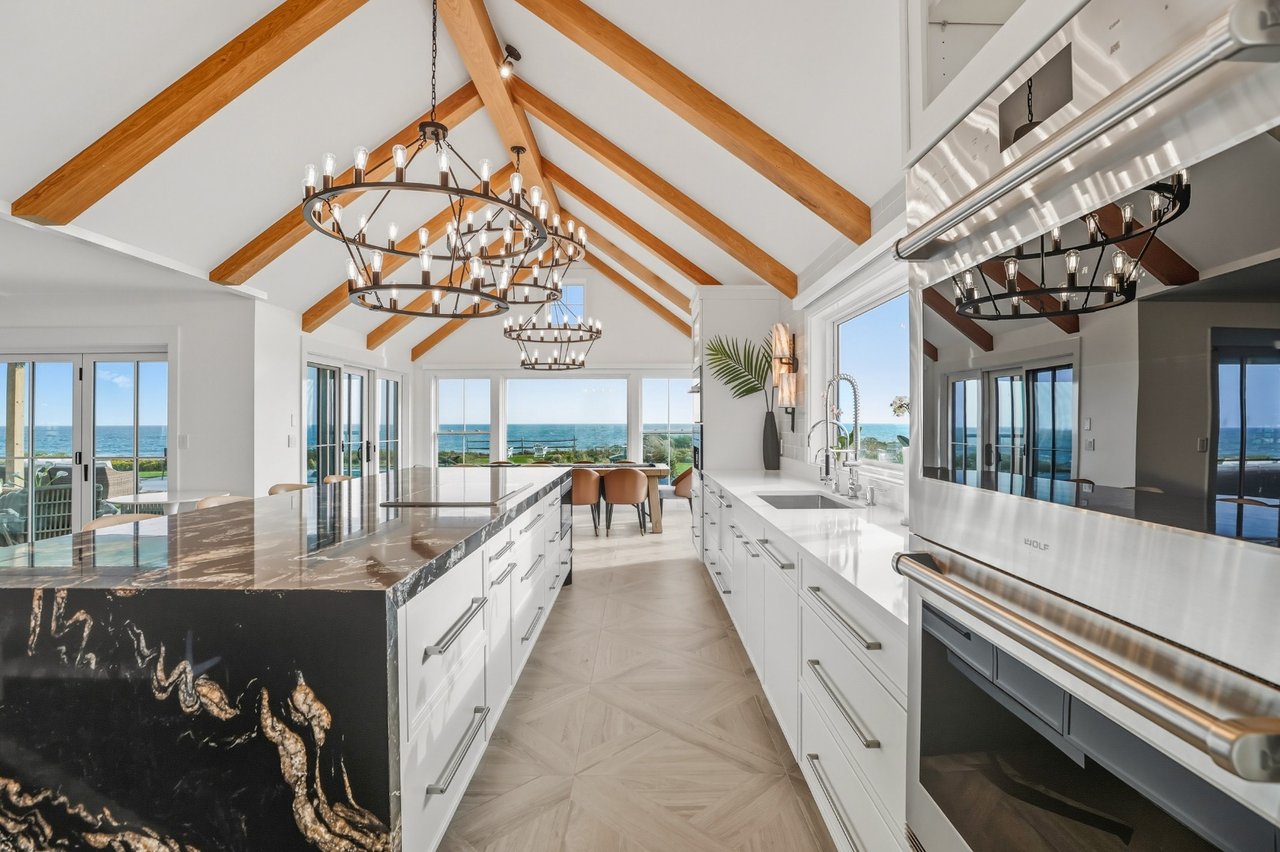
Buying at the high end of the Nantucket market is not simply a bigger version of an ordinary purchase. The inventory is structurally scarce, much of it never reaches a public listing, and the rules governing what can be built or changed are unusually far-reaching. Bernadette Meyer has spent more than twenty years navigating that market as a year-round broker, owner, landlord, and builder, and shares what actually separates a sound luxury purchase from a costly mistake.
What to Know
- Location and setting usually matter more than the house itself; a kitchen can be redone, a lot or a view cannot.
- Luxury inventory is structurally scarce, and public listings are not always the whole market.
- The strongest luxury buyers learn to separate what a property allows them to improve from what it cannot give them at all.
- Historic District Commission review and conservation restrictions can materially shape what a property is worth and what it can become.
- Financing, seasonality, and rental potential all influence strategy, but judgment about the specific property matters more than any fixed rule.
Start with location, not the house
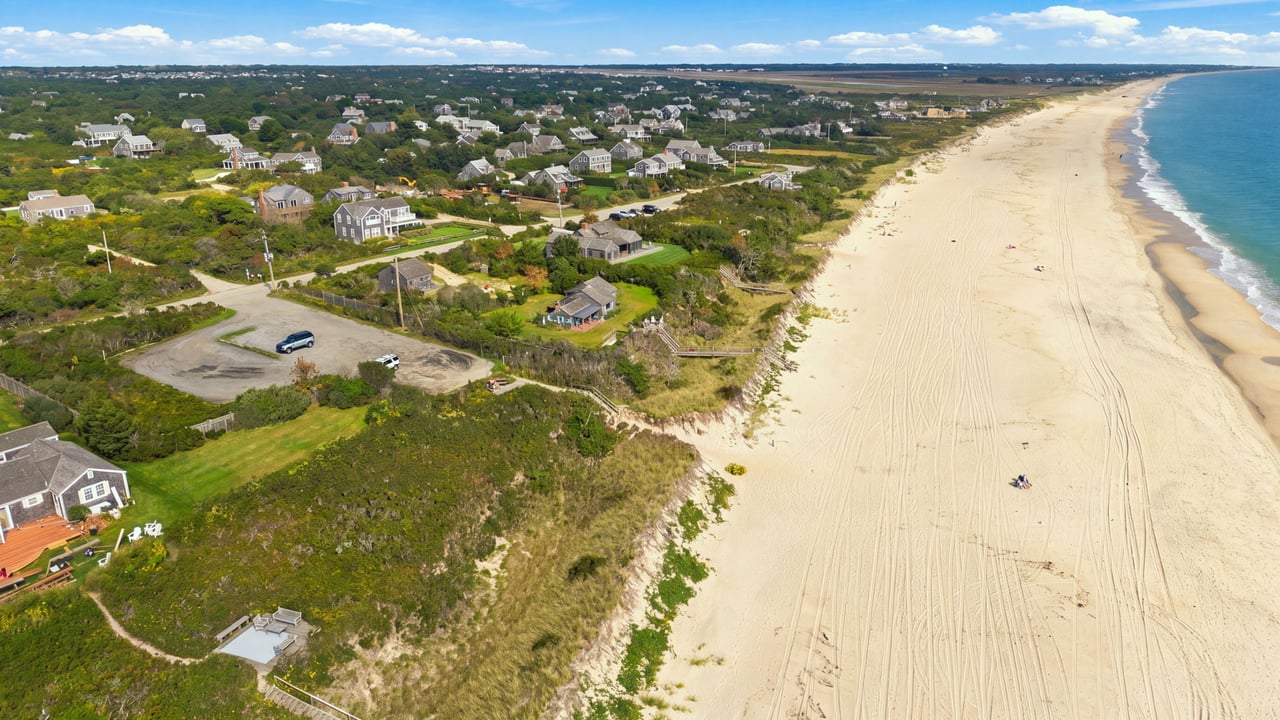
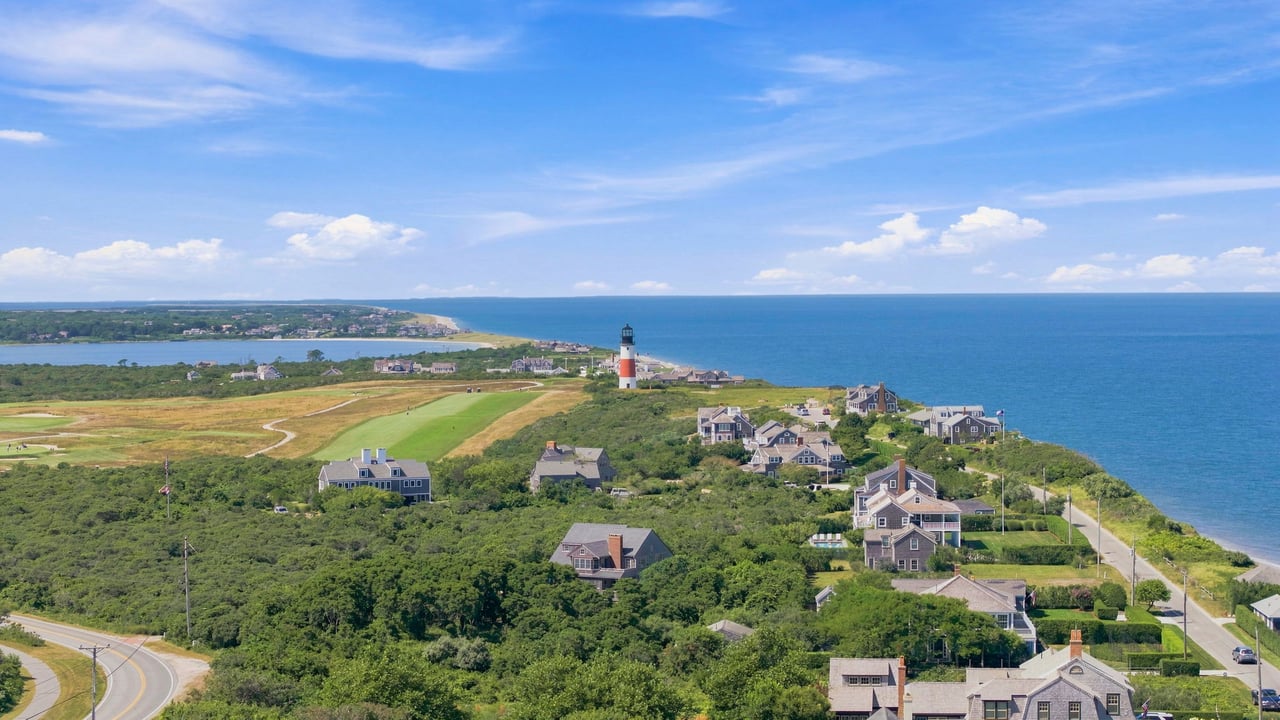
At this level, the house matters, but it can be renovated. The neighborhood is permanent. A buyer who falls in love with a kitchen or a pool can usually get one built. A buyer who wants a specific relationship to the harbor, a walk to town, or a particular kind of privacy has to find it, because it cannot be created afterward.
That is why the first real decision in a luxury search is not the house at all. It is where on the island a buyer actually wants to live, and why. For a deeper look at how different buyer profiles map to different parts of the island, see where to buy on Nantucket.
Why luxury inventory is structurally scarce
Nantucket's inventory problem is not cyclical. It is built into the island itself. More than half of Nantucket's land is permanently protected for conservation, which places a permanent structural limit on the island's supply of developable land. Layered on top of that, many of the island's most significant properties have been held by the same families for generations and rarely reach the open market at all.
The practical result is that public listings, however many there are in a given season, are not the full picture of what is available. Some of the most compelling luxury opportunities on Nantucket never appear in a search at all. For current inventory levels and pricing, the Nantucket market snapshot tracks what is actually on the market right now.
What can be changed, and what cannot
This is the question serious luxury buyers learn to ask, and the one an online listing will never answer for them: what about this property is genuinely irreplaceable?
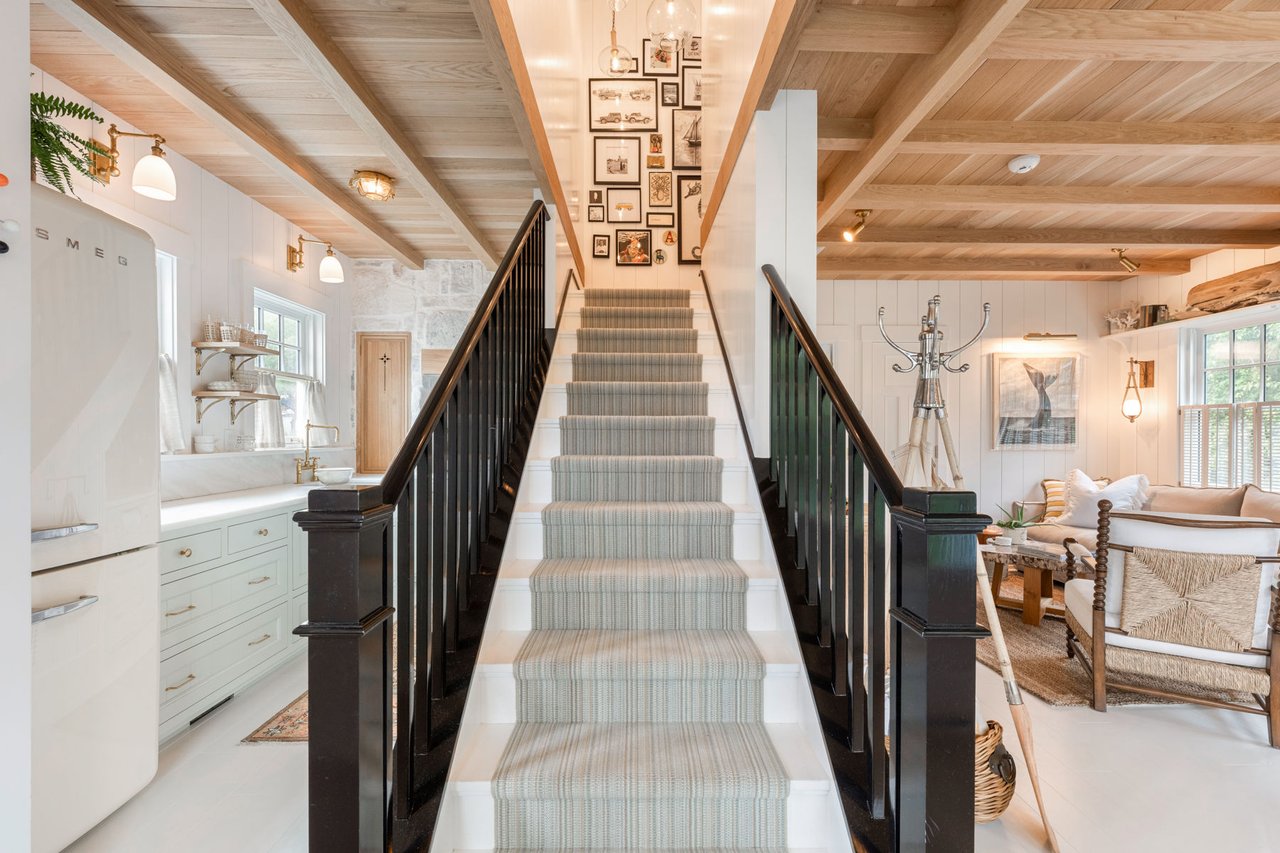
A kitchen can be changed. A house can, in most cases, be renovated. But a lot, a view, a mature landscape, a true waterfront relationship, or a historic setting cannot be manufactured after closing. The buyers who do best at this level are the ones who separate a property's fixable limitations from its permanent character before they fall for the wrong reasons or walk away from the right ones.
When Bernadette walks a property with a buyer, much of her evaluation comes down to two questions: what can be changed, and what cannot? That means weighing location and setting, the lot itself, privacy, the view, the relationship to water, the maturity of the landscape, historic character, expansion potential, current condition, replacement cost, renovation complexity, and rental potential. Some of these can be improved with time and money. Others define the property permanently, and no amount of either changes that. For buyers drawn specifically to Nantucket's historic homes, that same instinct, choosing a house for what it represents rather than what it could become, is its own kind of luxury buying decision; see stewardship, not just ownership for more on that mindset.
Private inventory is part of the market
At the upper end, what is publicly listed is not necessarily the whole market. Owners of significant Nantucket properties frequently prefer a quiet, controlled process over a public listing, particularly for historic homes or properties tied to family history. Reaching that inventory depends on relationships built over years on the island.
For a fuller look at how these transactions actually work, see how off-market and private sales work on Nantucket.
Know the property's constraints before you commit
Nantucket, Tuckernuck, and Muskeget are both a local historic district and a National Historic Landmark district, and it is the local district that gives the Historic District Commission (HDC) its review authority. Across that local district, exterior architectural changes are subject to HDC review, not just properties within the Town or 'Sconset historic cores. That single fact shapes what a luxury buyer can realistically do with a property, from a straightforward repaint to a significant addition, and it belongs in the conversation before an offer is written.
Conservation restrictions can add another layer, particularly near wetlands, the coast, or protected open space. Title history, septic and utility capacity, and the condition of older structures matter even more at this price point, since the cost of a surprise scales with the size of the purchase. For a full property-level walkthrough of what to verify before closing, see the Nantucket luxury home due-diligence checklist.
Structure the offer around the property and seller
Financing at the luxury end looks different from a typical purchase, but there is no single rule that applies to every deal. In Bernadette's experience, cash is common at the upper end of the Nantucket market, and sellers of especially sought-after properties often respond well to a clean offer with fewer contingencies. But the right structure still depends on the specific property, the seller's priorities, and how the buyer intends to use the home. A strong offer reflects that, rather than following a formula.
Reading Nantucket's seasonal rhythm
Nantucket's market has a real seasonal rhythm, and it helps to understand it in general terms: spring brings the bulk of new listings, and activity typically peaks through the summer. But treating any single month as a hard signal about a property is a mistake. If a property listed in spring is still available by late summer, it's worth understanding why. Sometimes it is price. Sometimes it is condition or a limitation specific to the property. Sometimes a seller's own timing simply has not aligned with the market yet. The reason matters more than the calendar.
Consider how the property will actually be used
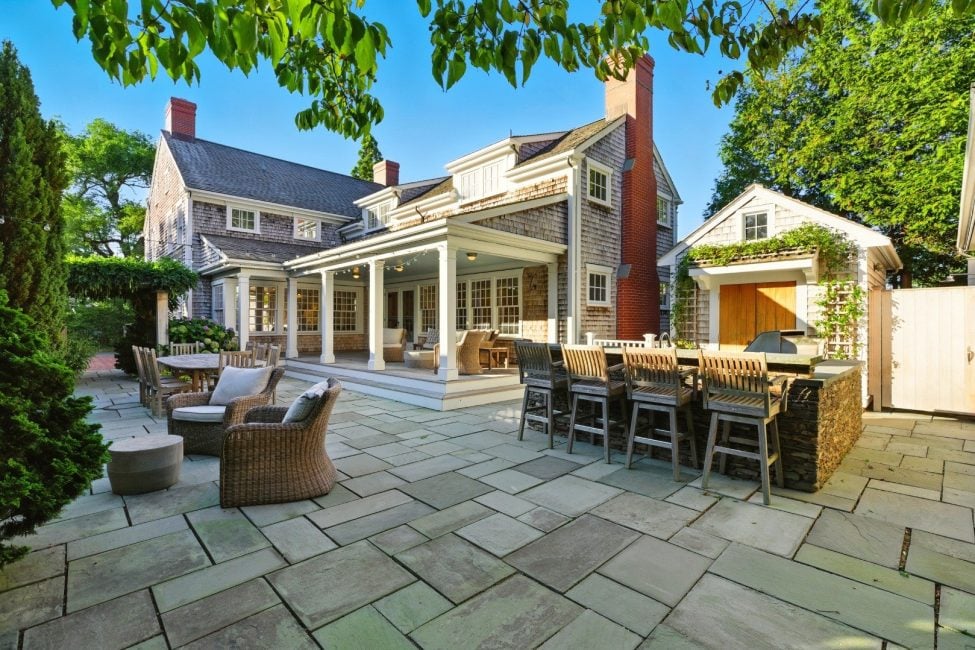
A luxury purchase on Nantucket is rarely just a residence. Many buyers plan to use a property seasonally and rent it during weeks they are not there, and rental potential, layout, proximity to the beach, and overall condition all affect how a home performs in that role. For buyers considering that path, Bernadette's vacation-rental portfolio provides a useful view into the types of properties, locations, and amenities that appeal to Nantucket's seasonal rental market.
Why judgment matters more as the price rises
The cost of a wrong assumption rises quickly as the price climbs. A judgment call that costs little at a lower price point, misreading a renovation's complexity, underestimating a title issue, or misreading how a property sits within its neighborhood, can cost significantly more at the high end.
Bernadette's perspective on this comes from more than professional experience. She has represented more than 500 transactions on the island, including the $24.8 million sale of 72 Main Street and the $18 million sale of 1 Ocean Avenue, and she owns, rents, and has built property on Nantucket herself. That combination, broker, owner, landlord, and builder, shapes how she reads a property: not just what it is asking, but what it will actually cost, what it will actually rent for, and what about it will still matter in twenty years.
Nantucket luxury buying questions
Nantucket luxury home buying questions, answered
Why is Nantucket's luxury inventory so limited?
Nantucket's luxury inventory is limited by geography and policy as much as by demand. More than half of the island's land is permanently protected for conservation, placing a permanent structural limit on the supply of developable land, while many significant properties are held by the same families for generations and rarely reach the open market. Public listings represent only part of what is actually available at any given time.
Do luxury buyers need to pay cash on Nantucket?
In Bernadette's experience, cash is common at the high end of the Nantucket market, and sellers of the island's most sought-after properties often respond well to a clean offer with fewer contingencies. It is not a strict requirement, and financed offers do succeed. The right approach depends on the specific property and what matters most to that seller.
What makes a Nantucket luxury property truly irreplaceable?
A property's irreplaceable qualities are the ones no amount of money or renovation can recreate: its location, its lot, its view, a genuine waterfront relationship, a mature landscape, or authentic historic character. Finishes, layouts, and even structures can be changed. Setting and history cannot, which is why experienced buyers weigh those qualities most heavily.
How does the Historic District Commission affect a luxury home purchase on Nantucket?
Nantucket, Tuckernuck, and Muskeget are both a local historic district and a National Historic Landmark district, and it is the local district that gives the Historic District Commission (HDC) its authority. Across that local district, exterior architectural changes require HDC review, not just properties in the Town or 'Sconset historic cores. This affects renovation timelines, design options, and cost, and understanding a property's specific constraints before making an offer is an important part of due diligence at this price point.
Expert Perspective
Discuss Your Nantucket Luxury Search With Bernadette
Buying well at the high end of this market takes more than access to listings. It takes judgment about what a property truly offers, and what it never will.