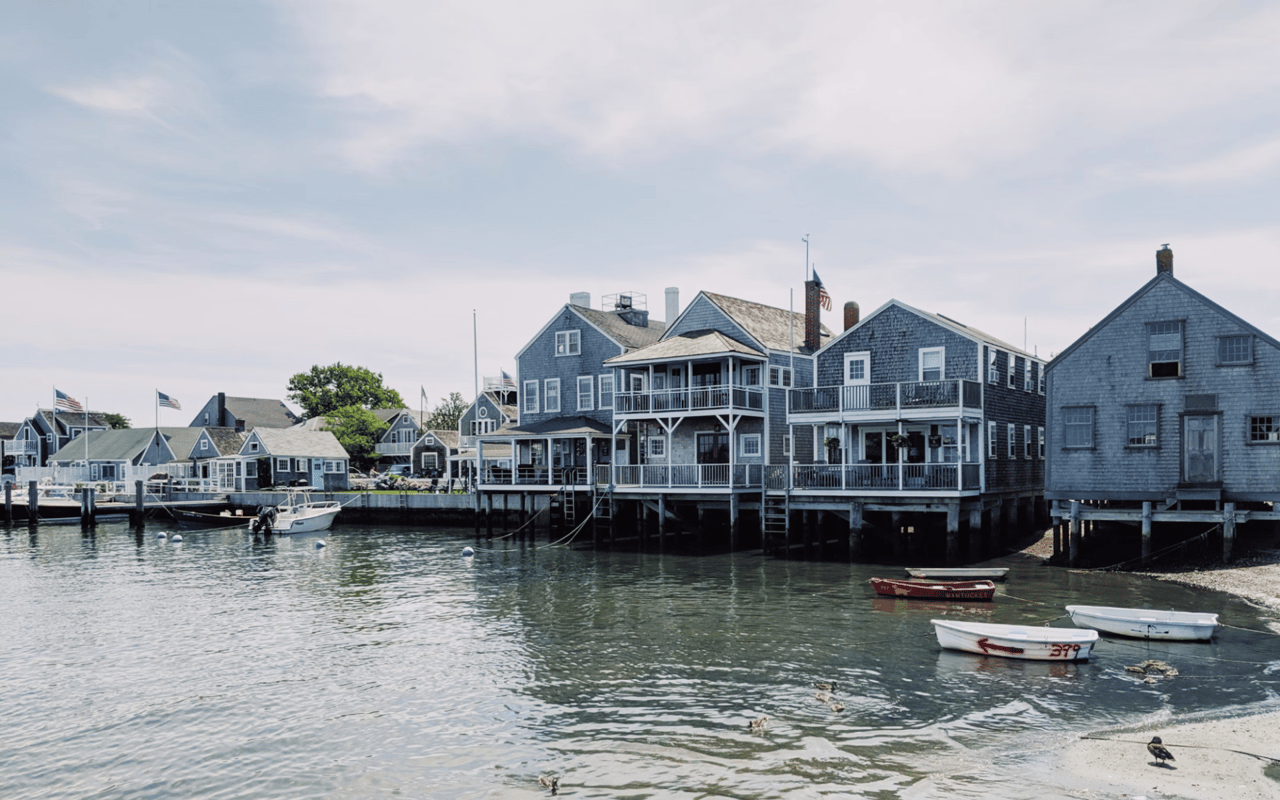
Things You Might Not Know About Nantucket: Local Insights & Historic Rules
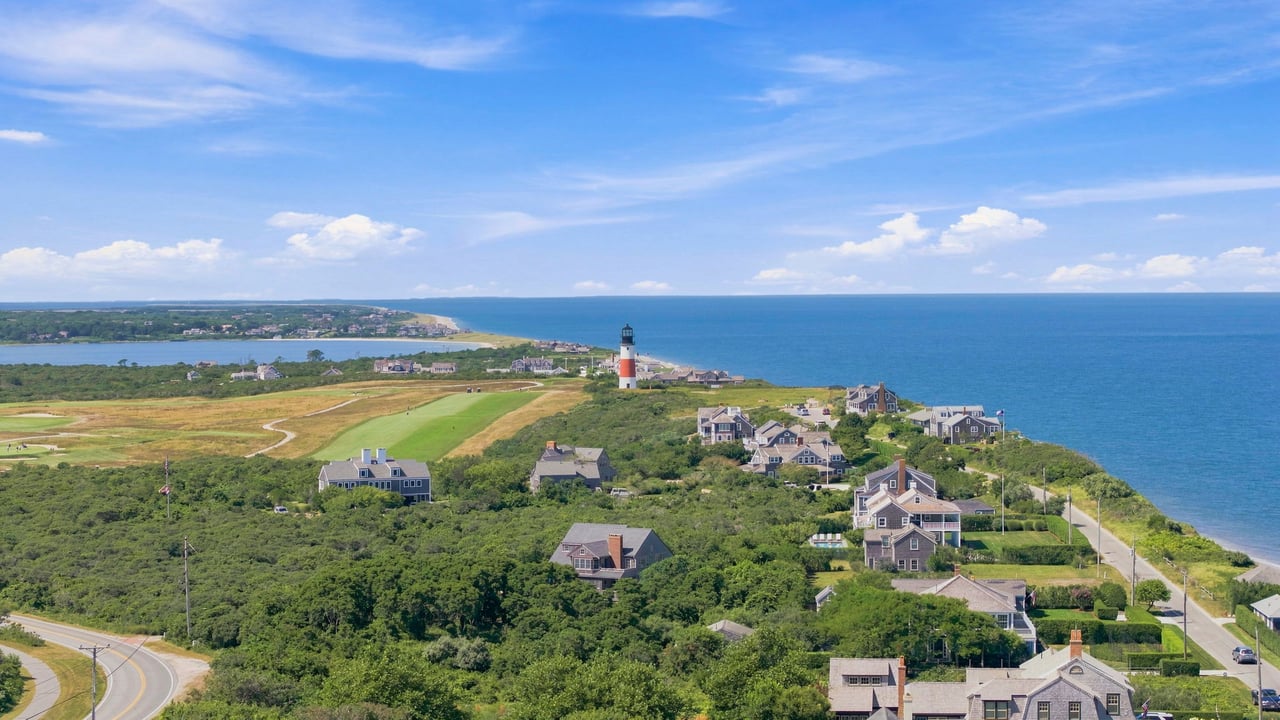
Nantucket stands out as a National Historic Landmark with zero chain stores, zero traffic lights, and strict exterior regulation by the Historic District Commission. The 105-square-mile island features the 1746 Old Mill and 195 acres of organic cranberry bogs at Milestone, protecting local property values.
Nantucket Island Feature | Historic & Regulatory Detail |
|---|---|
National Historic Landmark | Entire 105 sq mile island designated in 1966 |
Historic District Commission (HDC) | Regulates all exterior building, additions, and roof changes |
Chain Store Regulation | Formula business ban strictly preserves local shops |
The Old Mill (1746) | Oldest continuously operating windmill in the U.S. |
Milestone Cranberry Bog | 195 acres farmed organically since 1857 |
Planning to buy or renovate on Nantucket, or exploring island lifestyle?
Navigating Historic District Commission rules and formula business restrictions requires experienced local guidance. Decide how to move forward with your island plans.
Most people are surprised to learn that the entire island of Nantucket is a National Historic Landmark, and that a town commission reviews everything from window panes to roof shingles before an owner can change them. That single fact shapes what it means to buy, build, and renovate here more than almost any other, and it is rarely obvious from a listing photo. After more than twenty years working with buyers and sellers on Nantucket, Bernadette Meyer finds that the island's lesser-known qualities are often what help clients understand both its character and its lasting value.
Key Takeaways
- Nantucket prohibits chain and formula businesses, which protects the island's character and the scarcity that underpins its property values.
- The entire island is a National Historic Landmark, and the Historic District Commission regulates exterior changes, a critical consideration for anyone planning to buy, build, or renovate here.
- The island's whaling-era history is still visible in its architecture, including the sea captains' homes buyers tour today.
- Quirks like the absence of traffic lights, the 1746 Old Mill, and working cranberry bogs reflect a deliberately slower, preservation-minded way of life that draws year-round and second-home buyers alike.
Why are there no chain stores on Nantucket?
It isn't an accident. Nantucket has long restricted chain and formula businesses, which is why you won't find big-box stores or chain coffee shops along the streets of Town. Nearly every shop, café, and gallery is independently owned, which keeps the local economy grounded and daily life feeling authentic.
For buyers, this is more than charm. The same restrictions that protect the island's character also protect its scarcity, there is a finite supply of property in a place that has deliberately chosen not to look like anywhere else. That scarcity is a meaningful part of why Nantucket values have held up over time.
What does it mean that the whole island is a National Historic Landmark?
This is the single most important thing for any prospective buyer or renovator to understand. Nantucket is one of the few places in the country designated in its entirety as a National Historic Landmark, and the Nantucket Historic District Commission regulates exterior changes across the island, everything from window proportions to roof shingles falls under its review.
- Nantucket Historic District Commission (HDC), 2 Fairgrounds Road, Nantucket, MA 02554
- Hours: Monday to Friday 8:00 AM to 4:00 PM
- Regulates exterior modifications across all 105 square miles of Nantucket Island
HDC administrative details sourced from the Town of Nantucket official regulatory guidelines.
That oversight is exactly what preserves the island's timeless appearance, but it also adds real complexity to buying, building, or renovating here. Bernadette routinely helps buyers understand what a given property will and won't allow before they commit, whether a home can be expanded, how the approval process works, and how those constraints affect both cost and long-term value. It's one of the clearest examples of why local guidance matters more on Nantucket than in most markets.
A whaling capital that still shapes the homes you tour
In the 18th and early 19th centuries, Nantucket was the whaling capital of the world, and its ships sailed as far as the Pacific. That era built the island's early wealth, and its architecture. The sea captains' homes that line the streets today, along with the street names and the layout of Town itself, are direct inheritances from that period.
For buyers, this history isn't just atmosphere. It's the reason so much of Nantucket's housing stock carries genuine architectural significance, and why condition, provenance, and faithful restoration matter so much to value here.
The Old Mill, no traffic lights, and a deliberately slower pace
A few details capture how intentionally Nantucket holds onto its character. The Old Mill, built in 1746, is the oldest functioning windmill in the United States and still grinds corn in summer. There are no traffic lights anywhere on the island, intersections run on stop signs and a shared habit of courtesy. None of this is by chance.
- The Old Mill, 50 Prospect Street, Nantucket, MA 02554
- Managed by the Nantucket Historical Association; open seasonally for tours
- Distance: 0.5 miles from downtown Main Street
Old Mill location and visitor hours sourced from the Nantucket Historical Association.
Buyers often tell Bernadette that this slower rhythm is precisely what they're looking for. It's also a quality that's difficult to find and impossible to manufacture, which is part of what keeps demand for island property so durable.
Does Nantucket still grow cranberries?
Yes. The Milestone Cranberry Bog, where cranberries have been grown since 1857, remains the island's only commercial cranberry operation and one of its oldest continually working farms. Today it's farmed organically across roughly 195 acres, with only a fraction of the surrounding land devoted to cultivation, the rest left as open space across the Middle Moors.
- Milestone Cranberry Bogs, Milestone Road, Nantucket, MA 02554
- Owned and preserved by the Nantucket Conservation Foundation
- Total area: 195 organic harvest acres amid thousands of preserved moorland acres
Milestone Cranberry Bog acreage and conservation data sourced from the Nantucket Conservation Foundation.
It's a small but telling example of how Nantucket balances heritage, agriculture, and conservation, and of why fall on the island has a quieter appeal all its own.
Bernadette Meyer is a Real Estate Broker with Maury People Sotheby's International Realty on Nantucket, where she has advised clients for over twenty years. Recognized on RealTrends Verified and Tom Ferry's "The Thousand," she ranks #168 nationally by volume and #2 overall on Nantucket, offering expert guidance on HDC regulations, historic preservation, and neighborhood planning across Siasconset, Town, and Cliff.
Nantucket living questions
Nantucket living questions, answered
Can you renovate or build a home on Nantucket?
You can, but the process is more regulated than in most markets. Because the entire island is a National Historic Landmark, the Nantucket Historic District Commission reviews exterior changes, including additions, window and roof details, and new construction. Buyers planning to renovate should evaluate property constraints before purchasing.
Why are there no chain stores on Nantucket?
Nantucket restricts chain and formula businesses, which is why its shops, cafés, and galleries are almost entirely independently owned. The policy protects the island's historic character and supports a strong local economy while reinforcing real estate scarcity.
Is the entire island of Nantucket really a National Historic Landmark?
Yes. Nantucket was designated in its entirety as a National Historic Landmark in 1966. The designation, combined with Historic District Commission oversight, preserves the island's classic architecture and streetscapes across all 105 square miles.
Does Nantucket still grow cranberries?
Yes. The Milestone Cranberry Bog has grown cranberries since 1857 and remains the island's only commercial cranberry operation, now farmed organically across about 195 acres by the Nantucket Conservation Foundation.
What is the oldest windmill in the United States?
The Old Mill on Nantucket, built in 1746, is the oldest functioning windmill in the United States. Located on Prospect Street, it still grinds corn during the summer months and is managed by the Nantucket Historical Association.
What should buyers know about Nantucket's character before purchasing?
Nantucket's defining qualities, the National Historic Landmark status, chain-store restrictions, absence of traffic lights, and conservation culture, directly shape property ownership. Working with a broker who knows HDC guidelines helps buyers make sound decisions.
Expert Perspective
Discuss Your Nantucket Goals With Bernadette
Whether exploring a historic residence, a year-round home, or a harbor property, the right move depends on how your goals align with current island regulations and neighborhood nuances.