Most waterfront conversations happen before closing: setbacks, flood zones, what can be built and what can't.
The questions change once the house is yours. Shoreline, weather, insurance, regulation, and water access keep changing too, and good ownership means staying ahead of them.
Waterfront Isn't One Category
The first distinction that matters is that "waterfront" isn't a single kind of ownership. What actually needs the most attention depends on which water you're on.
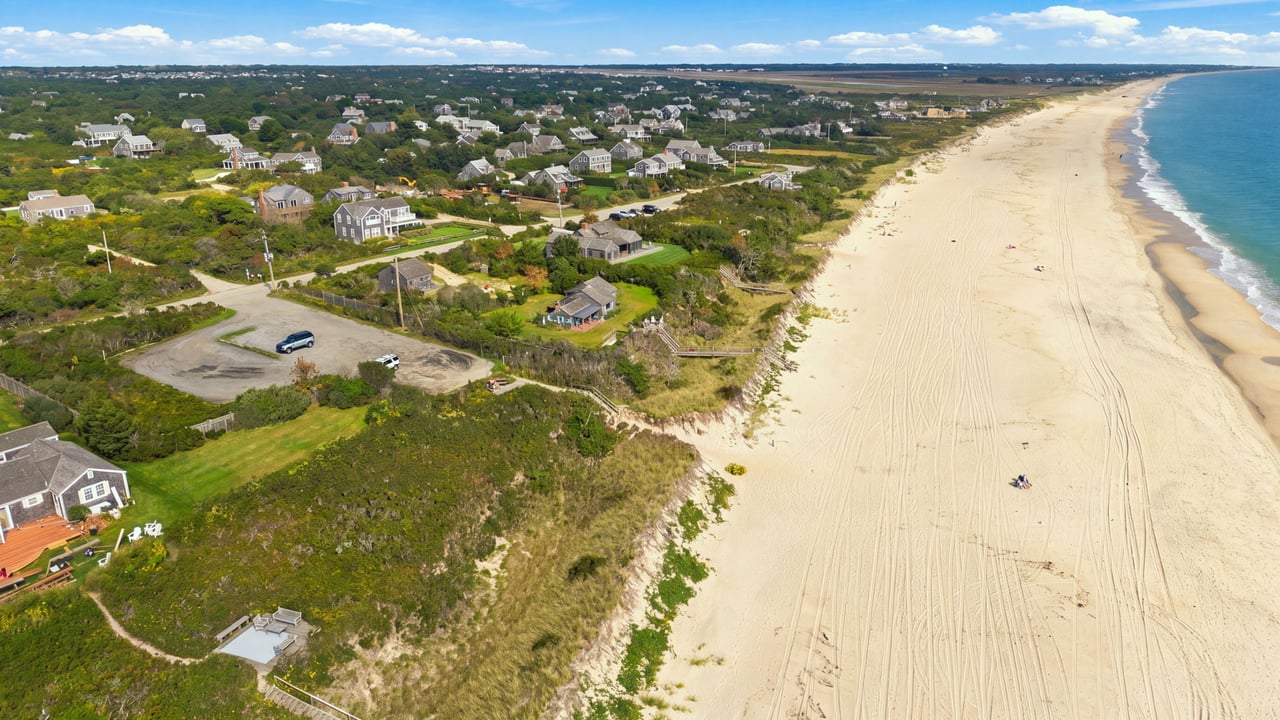
An exposed ocean or south-shore property puts erosion, wind, and salt exposure at the top of the list. The Town's own shoreline-change information bears this out: MORIS-calculated erosion rates along the South Shore range from less than a foot to more than twelve feet per year depending on location. A harbor property shifts the priority toward docks, moorings, and water access. A property adjoining a pond or protected wetland may put vegetation management and Conservation Commission rules much closer to the top of the ownership list. Knowing which kind of waterfront you're dealing with changes what needs attention first.
What Changes on Your Ownership Calendar
- Review insurance coverage ahead of each renewal.
- Document shoreline condition periodically, and again after significant storms.
- Renew mooring permits annually, on the Town's fixed schedule.
- Schedule seasonal dock work well ahead of the boating season.
- Include exposed hardware and exterior mechanical equipment in routine maintenance inspections.
- If you're off-island, establish who checks the property ahead of severe weather.
Salt Air Changes What Deserves Routine Attention
Everything closer to the water ages differently.
Exterior paint and stain break down faster in salt air. Metal hardware, railings, hinges, and outdoor fixtures corrode more quickly. Exterior mechanical equipment takes more punishment too, including HVAC condensers, generators, and pool equipment. The timetable varies too much by material, coating, and exposure to generalize. What matters is making these items part of the property's routine maintenance inspection.
Erosion Doesn't Stop at Closing
Our waterfront buying guide covers the setback math that applies to eroding coastal property, and the fact that homes built or substantially improved after 1978 generally can't be protected by a new seawall if the shoreline erodes toward them. That's a purchase-time calculation. It's also an ongoing one.
Erosion rates on a specific property aren't fixed. A stretch of shoreline that's been stable for years can change meaningfully after a significant storm, and an owner who bought comfortably within the setback math at closing may find the calculation looks different a decade later. Shoreline condition should be tracked over time, particularly after significant storms.
Insurance Needs to Be Reviewed, Not Filed Away
Getting insurance in place before closing is only the beginning. Review it at renewal, after a substantial property change, and when new flood information becomes available.
FEMA has used Risk Rating 2.0 since 2021. Premiums reflect property-specific factors such as elevation, distance to water, and rebuild cost, rather than flood zone alone. Flood maps still matter for determining Special Flood Hazard Area status and a lender's mandatory purchase requirement, just not for setting the premium itself.
Coverage limits matter as much as cost, maybe more at this price point. Standard NFIP coverage caps out at $250,000 for the building and $100,000 for contents, regardless of the home's actual value. For a high-value waterfront property, owners should ask an insurance professional whether NFIP coverage alone is sufficient or additional private coverage is appropriate for the property's exposure.
Massachusetts also requires insurers to address this distinction explicitly. For policies issued or renewed from January 1, 2026 onward, insurers must confirm in writing that a standard homeowners policy doesn't cover flood damage on its own. At renewal, the most important question may be the simplest one: "What am I actually covered for now?"
Docks and Moorings Need Real, Ongoing Attention
If the property includes water access, that access is its own small piece of infrastructure with its own annual demands.
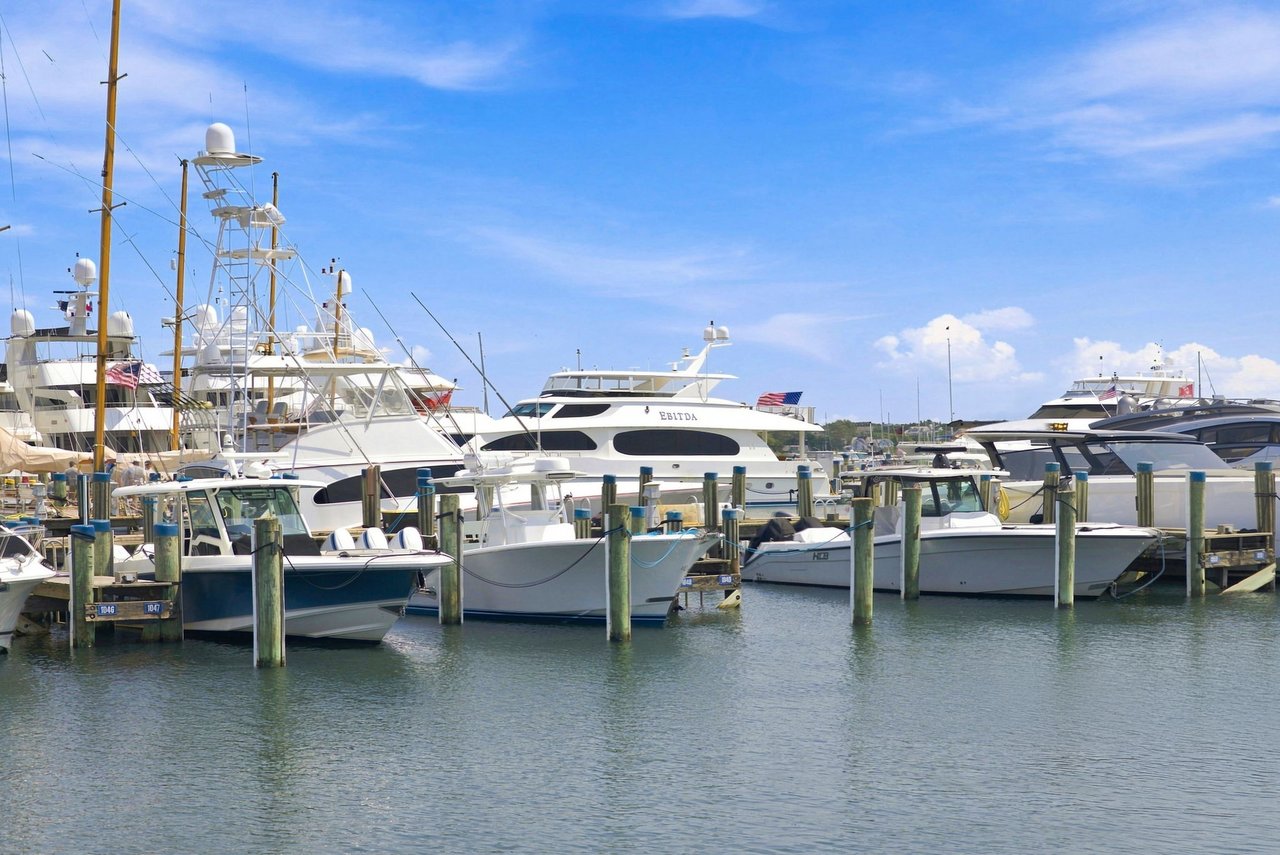
Nantucket's Harbormaster manages more than 1,800 moorings across Nantucket Harbor, Polpis Harbor, Madaket Harbor, and the Eel Point channels, working with a network of registered mooring handlers who conduct and document mooring inspections. By Town regulation, every mooring permit terminates December 31 each year regardless of when it was issued, and must be renewed annually. Depending on the type of dock, seasonal removal and reinstallation may also be part of the annual routine. A lapsed mooring permit isn't always a quick fix to restore, particularly where a waiting list is involved.
Landscaping Near the Water Has Real Limits
Buyers often assume that once a home is built, the yard is entirely up to the owner. Near protected wetlands and coastal resources, real limits still apply.
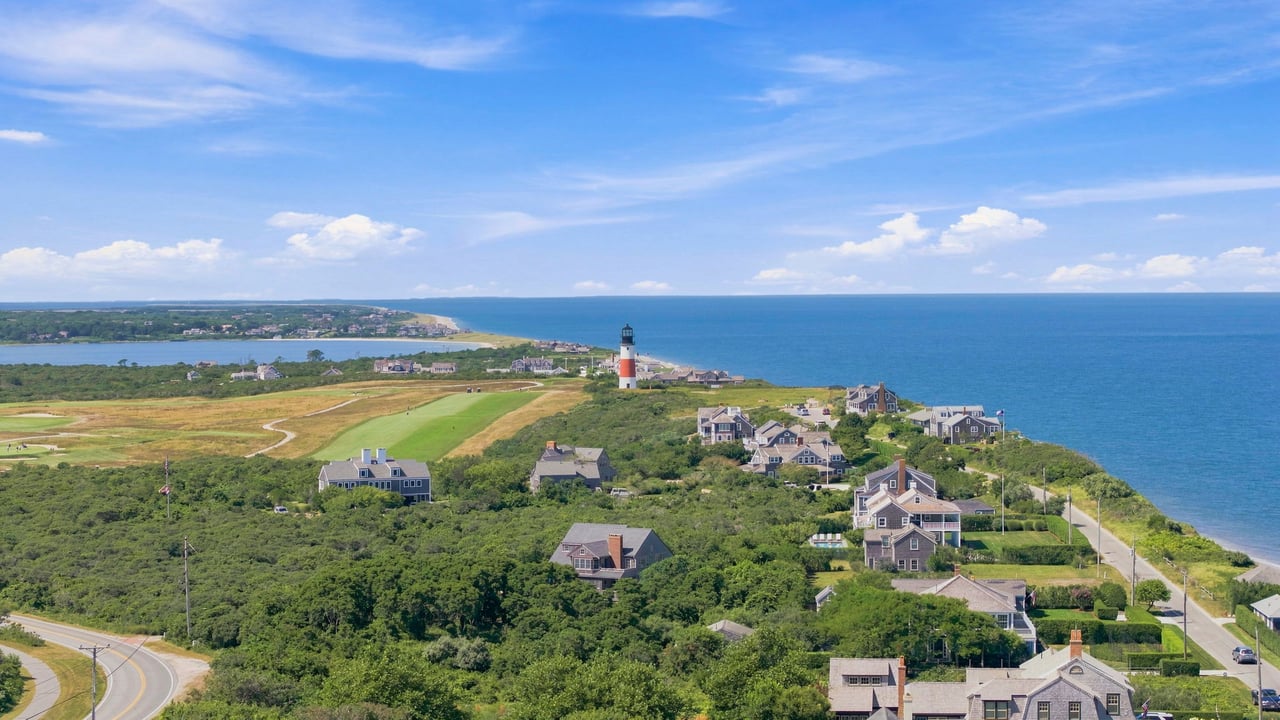
Nantucket's Conservation Commission reviews, permits, and inspects projects proposed within 100 feet of any jurisdictional resource area. Within regulated resource areas or buffer zones, a new vista cut, clearing vegetation to open a sightline toward the water, requires prior Conservation Commission approval. Our buying guide covers the corridor dimensions and permit timing. Confirm the requirements before any shoreline-adjacent landscaping work begins.
Storm Prep Looks Different on the Water
Our ownership guide covers general storm preparedness for any Nantucket home, and our off-season closing guide covers the seasonal side of shutting a property down properly. Waterfront property adds its own layer on top of both: more direct exposure to wind and surge, and depending on the property, boats, tenders, seasonal dock sections, and other waterfront equipment that may need securing or removing well before conditions deteriorate. There's also less margin for waiting until the last minute if you're not on-island when a forecast changes.
A caretaker who already knows the property, and who checks on it as conditions begin to turn, matters even more here than for a home set back from the shoreline.
The Waterfront Property File
A waterfront property develops a history. Keep it.
Keep the survey or site plan, elevation certificate where applicable, Conservation Commission orders and permits, dock and mooring records, insurance declarations, and any shoreline or erosion assessments together. Add dated shoreline photographs taken periodically from the same locations, especially after significant storms. Major exterior work and the contact details for anyone authorized to act when you're off-island belong there too.
Five or ten years into ownership, that record is far more useful than trying to reconstruct the property's history from memory after a storm.
Owning waterfront property on Nantucket
Questions about waterfront ownership after closing, answered
How does owning waterfront property on Nantucket change after you close?
The regulatory and due-diligence questions that dominate the buying process, such as setbacks, flood zones and building restrictions, give way to ongoing realities: faster material wear from salt air, erosion that needs monitoring rather than a one-time calculation, insurance that can get more complicated over time, and real seasonal maintenance if the property includes dock or mooring access.
Does salt air really affect how a Nantucket waterfront home needs to be maintained?
Yes, meaningfully. Exterior paint and stain typically need attention more often than they would further inland, metal hardware corrodes more visibly, and outdoor mechanical equipment like HVAC condensers and generators tends to wear faster. The exact interval varies too much by material and exposure to generalize. The practical step is to include these items in the property's regular maintenance inspection.
Are all Nantucket waterfront properties managed the same way?
No. An exposed ocean or south-shore property puts erosion, wind, and salt exposure first. A harbor property shifts the priority toward docks, moorings, and water access. A property adjoining a pond or protected wetland can put vegetation management and Conservation Commission rules much closer to the top of the list. Which category a property actually falls into changes what's worth paying attention to first.
What happens if erosion accelerates after I've already bought a waterfront home, particularly after a major storm?
Erosion rates on a specific property aren't fixed, and a shoreline that's been stable for years can change meaningfully after a significant storm, particularly on the south shore or another area with a documented history of erosion. This is worth actively monitoring, through direct observation or a professional assessment, rather than assuming the conditions present at purchase will hold indefinitely.
What should I know about waterfront flood insurance beyond the initial quote?
Coverage limits matter as much as cost. Since 2021, FEMA has priced flood insurance under Risk Rating 2.0, based on property-specific risk factors rather than flood zone alone. Standard NFIP coverage still caps out at $250,000 for the building and $100,000 for contents, a real gap for a high-value property. Massachusetts also now requires insurers to confirm in writing, on policies issued or renewed from January 1, 2026 onward, that a standard homeowners policy doesn't cover flood damage on its own.
What maintenance does a dock or mooring need each year?
Nantucket's Harbormaster manages more than 1,800 moorings across the island's harbors, working with registered mooring handlers who conduct and document inspections. Permits terminate December 31 each year by Town regulation and must be renewed annually, and depending on the dock type, seasonal removal and reinstallation may also be part of the routine.
What records should a Nantucket waterfront owner keep?
Keep the property's key legal, regulatory, insurance, shoreline, and maintenance records together, including dated shoreline photographs and the contacts authorized to act while you're off-island. Over time, that creates a documented history of the property that's much more useful than trying to reconstruct events later.
Are there limits on landscaping near the water once I own a waterfront property?
Often, yes. Nantucket's Conservation Commission reviews, permits, and inspects projects proposed within 100 feet of any jurisdictional resource area, and within regulated resource areas or buffer zones, a new vista cut requires prior Conservation Commission approval. Determine whether Conservation Commission review applies before any work begins.
Expert Perspective
Already Own Waterfront, or Considering It?
Understanding what changes after closing is part of owning waterfront well. Bernadette can help you understand the questions that matter for a specific property, and where the right local expertise may be needed.